
Biological Impacts from Acidification
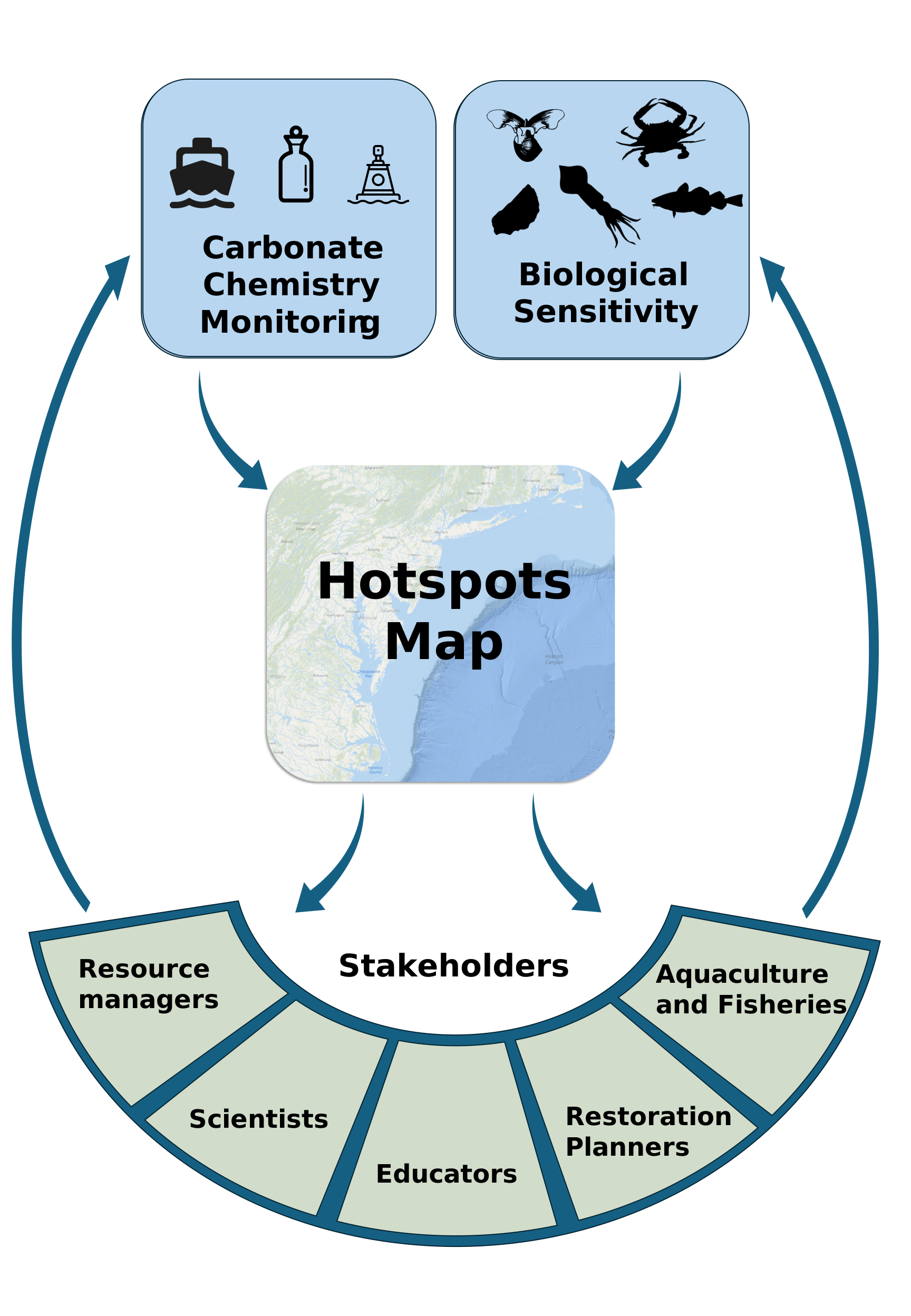
Acidification varies across space and time, which is why MACAN is developing a tool for coastal stakeholders to interpret the vulnerability to acidification at a given location. This project will create a map layer to display ocean and coastal acidification indicators on the Mid-Atlantic Regional Council on the Oceans (MARCO) Ocean Data Portal. This layer will allow viewers to see where acidification may be occurring, and which species are likely to be impacted over time. Stakeholders who want to anticipate, plan for, and adapt to acidification will find this information particularly useful.
At risk locations are locations where carbonate chemistry conditions, including pH, CO2, and saturation state of aragonite or calcite needed by shell-building organisms, are severe enough to impact marine life. We provide publicly available monitoring data, including data from research cruises, moored sensors, and shore-based sampling, to analyze trends in acidification over time and identify locations where conditions surpass the sensitivity levels of local species. As we compile acidification research on sensitivity of Mid-Atlantic estuarine and oceanic species, we are also finding out which species are most important to stakeholders. This has led us to particularly focus on commercially harvested species, plants and animals that create structured habitats, and key species for ecosystem health when defining at risk location.
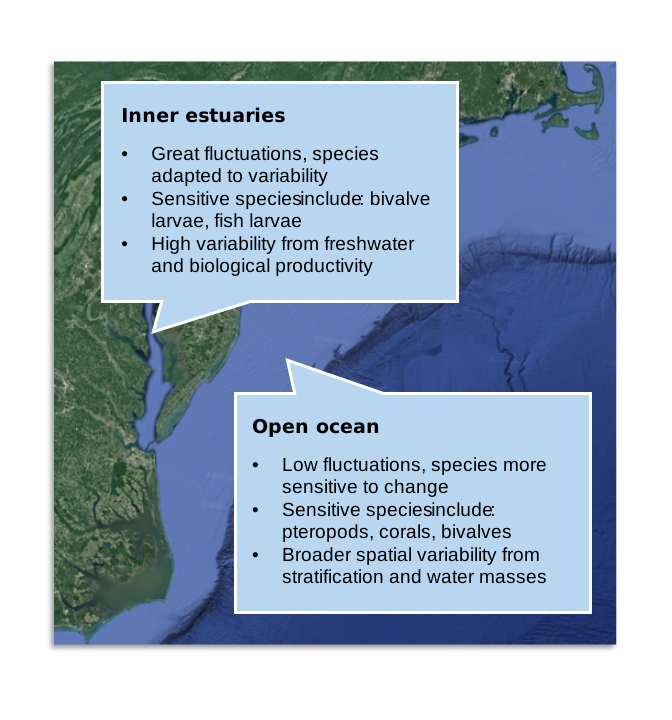
Estuary vs ocean graphic


Updates
Review of experimental research on species responses to acidification has highlighted the differences between estuaries and the open ocean. Estuaries have greater fluctuations than the ocean in acidity and other stressors on daily to seasonal time scales. There is a greater influence of freshwater input, growth of calcifying organisms, and respiration on the carbonate chemistry parameters in estuaries. As a result, estuarine species experience greater fluctuations but may also tolerate more extreme acidification levels than oceanic species. We have also noted the importance of life stage in determining how sensitive a species is and what carbonate chemistry conditions they will be likely to experience.
To account for these factors, we will use location-specific definitions of hotspots and map hotspots on a seasonal and annual basis. The Ocean Data Portal map can accommodate this by displaying multiple categories of data at once. When users click on a hotspot, they will be able to view what data sources were used, what sensitive species the hotspot is based on, and more. This will give users a flexible experience in accessing the information that is important to them, while also being transparent as to the location-specific hotspot definitions.
Teresa Schwemmer
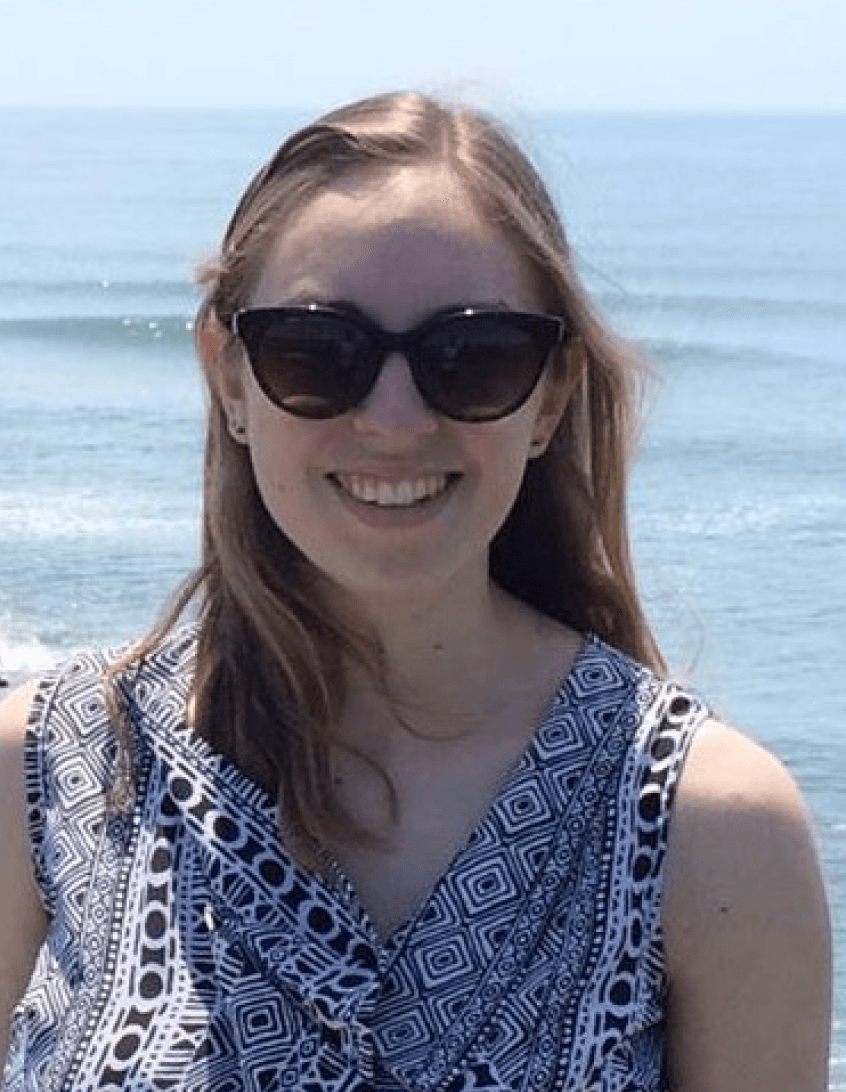
The Hotspots project is led by Teresa Schwemmer, a postdoctoral researcher with MACAN. Teresa completed her Ph.D. in 2023 at Stony Brook University’s School of Marine and Atmospheric Sciences. Her graduate research examined the physiological responses of Atlantic silverside embryos and larvae to combinations of seawater acidification and hypoxia. Teresa enjoys spreading awareness about acidification through outreach to various audiences and finding creative ways to get people interested in our changing environment.
The team also includes Janet Reimer and Kirstin Wakefield, the co-coordinators of MACAN, and Emily Rivest, an Associate Professor at the Virginia Institute of Marine Science. The team is combining their expertise in carbonate chemistry, biological sensitivity, and stakeholder engagement to develop a hotspots map that will be accessible and useful to a wide variety of stakeholders.
Get Involved
If you are interested in learning more about MACAN and the work we do, please sign up for our monthly newsletter. You can also read our 2024 to 2028 Work Plan.




The Mid-Atlantic Coastal Acidification Network. All Rights Reserved.